
PIONEER IN
PLANT EXTRACT
Views: 0 Author: Site Editor Publish Time: 2026-06-08 Origin: Site


The rapid shift in the nutraceutical and cosmeceutical industries toward upcycling agricultural byproducts has successfully positioned mango leaves as a premium source of high-value bioactives. Forward-thinking brands now aggressively pursue these sustainable plant derivatives to capture a growing market focused on clean-label health solutions.
While the immense therapeutic potential of this specific carbon-glycosyl xanthone is well-documented, formulators and procurement teams face significant operational challenges. Professionals often struggle to source the correct purity grade, verify clean extraction methods, and overcome strict formulation bottlenecks like systemic bioavailability.
This guide provides a comprehensive technical and commercial framework for evaluating your next material investment. You will learn how to precisely align purity specifications to your end-product applications and confidently audit supplier quality control data.
Application-Specific Purity: Sourcing success depends on matching the purity tier (90% to 99%) to the exact product format—from basic herbal blends to clinical-grade targeted formulations.
Extraction Dictates Efficacy: Advanced extraction methods (like ultrasound-assisted or optimized dynamic maceration) preserve biological activity by preventing thermal degradation, yielding a superior polyphenol extract.
The Nootropic Shift: Beyond traditional antioxidant use, standardized mangiferin is rapidly gaining market share as a non-stimulant caffeine alternative for cognitive enhancement.
Mandatory COA Scrutiny: Authentic, clean-label sourcing requires strict validation of HPLC chromatograms, heavy metal thresholds, and stringent solvent residue testing.
Moving beyond standard botanical ingredients, this premium mango leaf extract offers highly targeted mechanisms for modern supplement lines. You can utilize it to differentiate your product portfolio in crowded health categories.
Formulators primarily leverage this ingredient across two rapidly growing market segments. First, nootropic and cognitive formulations rely on it heavily. It acts as an energy metabolism activator rather than a simple adenosine receptor blocker. This unique mechanism provides cognitive enhancement and stamina without the typical caffeine crash or cardiovascular strain. It appeals strongly to caffeine-sensitive demographics seeking smooth, sustained focus.
Second, advanced cosmeceuticals utilize its profound anti-photoaging properties. The active compounds inhibit matrix metalloproteinases (MMPs). Since MMPs naturally degrade structural collagen in our skin, inhibiting them protects skin elasticity and combats UV-induced aging.
Raw mangiferin extract exhibits notoriously poor water solubility and low systemic bioavailability. Commercial success strictly requires overcoming these physiological hurdles. You must employ advanced delivery systems—such as liposomal encapsulation or electrosprayed nanoparticles for transdermal use—to ensure consumers actually absorb the active compounds. In standard oral supplements, precise dosage timing becomes critical to maximize metabolic uptake.
Pair the extract alongside proven lipid carriers to boost intestinal absorption.
Educate your consumers on timing doses 30 minutes prior to cognitive tasks.
Avoid mixing raw crystalline forms directly into ready-to-drink (RTD) beverages unless utilizing specialized nano-emulsions.
Selecting the right concentration of mangiferin powder is absolutely critical. You must balance your cost-of-goods-sold (COGS) against clinical efficacy and strict regulatory compliance.
Different product concepts require vastly different purity thresholds. Below is a breakdown of the standard tiers available in the current supply chain.
Purity Tier | Primary Characteristics | Ideal Formulation Use Cases |
|---|---|---|
90% Purity | Highly cost-effective. Retains more residual plant matrix bulk and darker coloration. | Multi-ingredient herbal extract blends where color variations remain hidden inside opaque capsules. |
95% Purity | The current industry standard. Refined via crystallization or column chromatography. Balances efficacy and commercial viability. | Premium dietary supplements, sports nutrition capsules, and daily metabolic health products. |
98% Purity (Pharma Grade) | Features drastically reduced heavy metal and solvent profiles. Exceptional visual and chemical consistency. | Clinical trials, high-end nootropics, and targeted chronic care formulations requiring precise dosing. |
99% Purity | Often HPLC-preparative grade. Requires sophisticated lab extraction. Absolute molecular purity. | Highly specialized delivery systems like injectables or ultra-premium targeted therapeutics regulated by the FDA/EMA. |
Higher purity grades are highly hygroscopic. They absorb ambient moisture rapidly, leading to clumping and degradation. You must enforce strict environmental controls during your manufacturing runs. Utilize proper light and humidity barriers throughout the packaging process to secure shelf life.
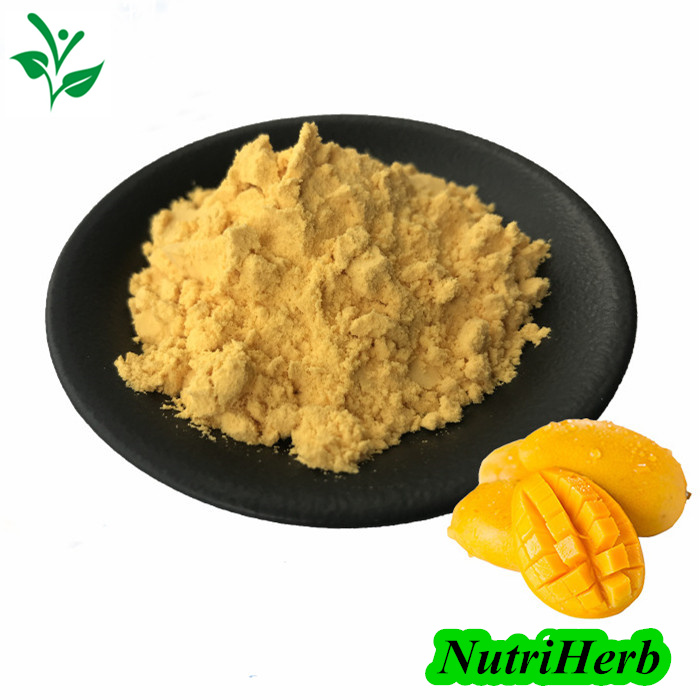
The extraction phase defines the final ingredient quality. Traditional ethanol extraction utilizing macroporous resin often suffers from terrible inefficiency. Mango leaf mucilage and natural gums routinely clog the chromatography columns, driving up processing times and raw material costs.
Modern manufacturers deploy advanced methods to bypass these legacy bottlenecks. By innovating the extraction environment, they produce a highly stable polyphenol extract free of degraded compounds.
Optimized Maceration & Response Surface Methodology (RSM)
Data-driven extraction proves keeping temperatures strictly moderate (around 54°C) maximizes total yield. Combining this temperature control alongside specific ethanol-water ratios (typically 60-70%) extracts the target compounds perfectly without degrading their delicate polyphenol structures.
Ultrasound-Assisted Extraction
This method blasts plant cell walls utilizing acoustic cavitation. It reduces processing time from several days to mere minutes. A shorter processing window significantly mitigates thermal degradation and enhances the antioxidant capacity of the final isolate.
Non-Chromatography Purification
Emerging methods offer highly scalable, column-free pathways to achieve 98%+ purities. These techniques rely on liquid-liquid partitioning to eliminate sticky gums before crystallization. A standard sequence looks like this:
Wash the crude extract using ethyl acetate to target and remove mucilage and plant gums.
Isolate the clarified liquid phase containing the concentrated bioactives.
Subject the solution to temperature-differential methanol crystallization to precipitate the final high-purity crystals.
Buyers should relentlessly question suppliers regarding their specific extraction methodology. Suppliers utilizing optimized, low-heat, or column-free innovations generally offer superior batch-to-batch consistency. They also deliver ingredients displaying significantly lower biological degradation.
A supplier's Certificate of Analysis (COA) is your primary line of defense. It protects your brand against adulterated or chemically compromised materials. You must interpret these documents critically.
Authentic documentation demands rigorous testing protocols. Ensure your quality assurance team cross-references the following categories.
Assay/Potency: The potency must be verified strictly via High-Performance Liquid Chromatography (HPLC). Never accept UV spectrophotometry alone, as UV testing easily registers false positives from structurally similar but inactive plant flavonoids.
Solvent Residues (Clean Label Standards): Demand extraction processes utilizing clean, food-grade ethanol and water. Strict limits must be enforced regarding toxic industrial solvents. Methanol residues must test strictly under 200 ppm. Demand the absolute absence of hexane or acetone in the final report.
Physicochemical Specs: Look closely at the physical stability indicators. Loss on drying (moisture content) and total ash parameters should typically both test at ≤5.0%. Higher numbers indicate poor processing or deliberate bulking.
Microbiological & Heavy Metals: The COA must explicitly state negative testing results for dangerous pathogens like E. coli and Salmonella. Heavy metals require tight thresholds.
Testing Category | Acceptable Threshold / Method | Red Flag Indicator |
|---|---|---|
Assay Validation | Verified by HPLC | Only UV Testing Provided |
Methanol Residue | < 200 ppm | Above 200 ppm or Not Tested |
Loss on Drying | ≤ 5.0% | > 5.0% (Risk of microbial growth) |
Heavy Metals (Lead) | < 5.0 mg/kg | > 5.0 mg/kg |
Heavy Metals (Cadmium) | < 0.3 mg/kg | > 0.3 mg/kg |
Accepting generic COAs without requesting corresponding third-party lab chromatograms.
Ignoring solvent residue panels, which instantly disqualifies a product from organic or clean-label certifications.
Transitioning theoretical knowledge into practical manufacturing requires structured implementation. Procurement and R&D departments must coordinate closely to avoid costly pilot errors.
Formulation Piloting: When transitioning to high-purity iterations, request 50g–100g samples of both 95% and 98% grades. Run parallel stability and solubility testing directly inside your specific product matrix, whether it is a capsule, powder blend, or liquid emulsion.
Supplier Auditing: Require transparent, third-party HPLC chromatogram data alongside the standard COA before you initiate any bulk purchase orders. Verify the lab credentials testing the material.
Regulatory Alignment: Ensure your selected purity grade and its corresponding residual solvent profile align perfectly against your target market's specific pharmacopeia or regional dietary supplement regulations.
Transitioning from standard botanical powders to a specialized, high-purity extraction allows brands to formulate scientifically backed nootropics and premium anti-aging supplements. However, this transition requires rigorous supplier vetting and proactive quality control.
To successfully integrate this ingredient into your product lineup, remember these core takeaways. First, strictly align the chosen purity tier to your specific end-product application. Second, demand clean-label extraction processes free of toxic solvents. Finally, mandate strict adherence to COA thresholds, particularly regarding HPLC-verified potency and heavy metal limits. By following these steps, you can confidently mitigate severe formulation risks and deliver a highly credible, efficacious product to the end consumer.
A: Clinical and literature data typically suggest an efficacious dose of 100mg to 200mg (standardized to 60% or higher) taken 30 minutes before cognitive tasks. It is generally advised to avoid dosing within 6 hours of sleep.
A: Mangiferin is a naturally lipophilic and crystalline compound with inherently poor water solubility. Liquid or beverage formulators often need to utilize nano-emulsions, liposomal encapsulation, or specific co-solvents to achieve stable dispersion.
A: Yes. Extracts utilizing purely "water and food-grade ethanol" systems support Clean Label claims, whereas those using cheaper industrial solvents may carry trace residues that disqualify the product from premium, organic, or stringent regional market certifications.


