
PIONEER IN
PLANT EXTRACT
Views: 0 Author: Site Editor Publish Time: 2026-06-10 Origin: Site


The market for men's health and vitality supplements remains intensely saturated. Brands must utilize standardized active ingredients to achieve genuine product differentiation. Standout products require superior raw materials. However, sourcing reliable icariin extract powder demands serious diligence. You must navigate a landscape filled with inconsistent assays, hidden adulteration risks, and wildly varying extraction methodologies. Poor ingredient selection ultimately ruins formulation viability.
This guide provides a direct technical evaluation framework for modern formulators and procurement teams. We will help you systematically select the correct purity of epimedium extract for your specific application. You will learn how to verify supplier claims through rigorous analytical testing. Furthermore, we will show you how to accurately anticipate specific manufacturing behaviors during production. Mastering these formulation variables ensures your final product delivers reliable efficacy and confidently survives strict regulatory audits.
Purity Dictates Application: Selecting between 10% and 98% icariin powder impacts not only efficacy but also excipient load, solubility, and capsule size.
Testing Methodology is Non-Negotiable: Validating suppliers requires HPLC (High-Performance Liquid Chromatography) documentation; UV testing is prone to false positives from non-target flavonoids.
Formulation Synergies: Natural icariin requires specific formulation strategies to optimize bioavailability and mask bitter profiles in powdered drink mixes.
Supply Chain Security: Consistent batch-to-batch bulk density and moisture content are primary indicators of a mature manufacturing process.
Procurement teams face a deeply confusing botanical marketplace. Many suppliers aggressively market crude botanical ratios. You will frequently see materials labeled as "10:1 extracts" or "20:1 extracts." These ratios simply indicate the starting raw plant material compared to the final yield. Ratios do not guarantee any specific active compound levels. Formulators need exact standardized percentages to ensure product efficacy.
Market inconsistencies create massive hurdles. One supplier's 10:1 extract might contain 1% active compounds. Another supplier might yield 5%. Relying on ratios makes accurate dosing impossible. Standardized extracts eliminate this guesswork. They provide an exact, verified percentage of the target molecule.
The industry faces a severe risk regarding synthetic adulteration. Fraudulent manufacturers sometimes spike low-quality botanical extracts. They use synthetic PDE5 inhibitors. Sildenafil analogs are common culprits. Fraudsters pass these spiked materials off as high-purity natural extracts. This practice creates a dangerous illusion of extreme potency.
Common Mistakes: Buyers often accept a generic Certificate of Analysis without requiring independent third-party mass spectrometry screening. Skipping this step leaves your brand vulnerable to spiked materials.
Poor ingredient selection triggers severe business consequences. Regulatory bodies actively test vitality supplements off the shelf. If they discover synthetic adulterants, the fallout is immediate. You face failed third-party label claim audits. The FDA or regional authorities will mandate product recalls. Class I recalls destroy brand trust permanently. Civil litigation frequently follows. Securing authentic, standardized botanical material protects your entire business operation.
Selecting the right specification dictates your entire formulation strategy. You must align the ingredient purity with your target delivery format. Let us explore how different ranges function in real-world manufacturing.
This entry-level purity serves as the backbone for many commercial products. It offers a highly cost-effective solution for complex stacks.
Best for: Multi-ingredient blends, standard vitality capsules, and cost-sensitive formulations.
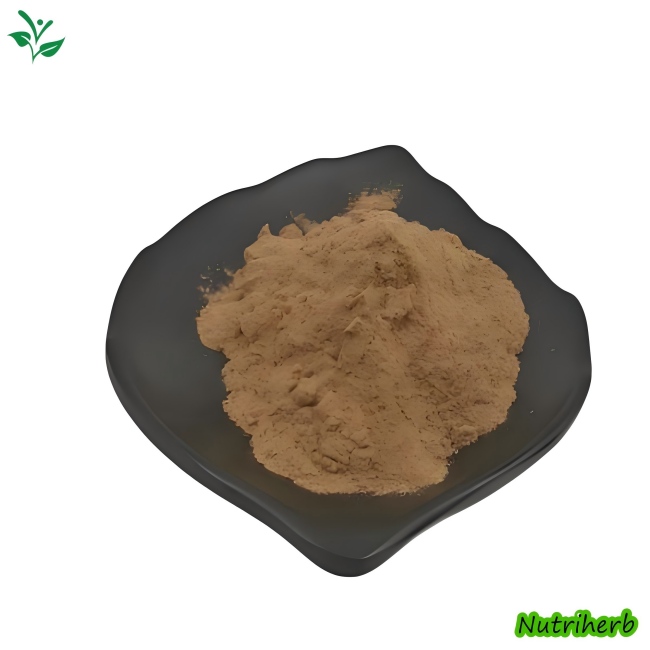
Formulation reality: These batches retain a higher presence of natural plant matrix compounds. You will notice a significantly darker brown color. The powder carries a much stronger, earthy botanical flavor. You must account for this distinct taste in unflavored drink mixes.
The mid-range purity provides an excellent balance. It maximizes active payload while minimizing required capsule space.
Best for: Targeted vitality supplements and sports nutrition pre-workouts.
Formulation reality: Formulators love this specification. It delivers a balanced cost-to-potency ratio. You can easily achieve clinically relevant doses within standard two-capsule servings. The color transitions to a lighter, yellowish-brown hue.
This ultra-high specification undergoes extensive refinement. Manufacturers strip away nearly all non-target flavonoids, tannins, and plant pigments.
Best for: Premium standalone products, single-ingredient formulas, and advanced liposomal delivery formats.
Formulation reality: The resulting icariin powder presents as a pale yellow, crystalline substance. Because inclusion rates are incredibly low, you require highly precise blending equipment. You must use adequate flow agents to prevent micro-clumping. It carries the highest cost per kilogram.
Purity Specification | Ideal Application | Physical Characteristics | Formulation Challenges |
|---|---|---|---|
10% - 20% | Multi-ingredient stacks | Dark brown, strong herbal odor | High excipient load, bitter taste |
40% - 60% | Targeted pre-workouts | Yellow-brown powder | Managing bulk density in capsules |
90% - 98% | Liposomal formats | Pale yellow, crystalline | Requires precise micro-dosing |
Working with any highly concentrated botanical requires technical foresight. When integrating this specialized herbal extract powder, you must address physical handling and biological delivery.
Different delivery formats demand different manufacturing tactics. Solid dose formats require excellent powder mechanics. Liquid formats demand robust organoleptic masking.
Capsules and Tablets: You must actively manage bulk density. High-purity extracts often behave differently inside the hopper. They can exhibit poor flowability. Formulators must select highly compatible flow agents. Silicon dioxide and magnesium stearate remain standard choices. They prevent bridging in encapsulation machines. Proper excipient selection ensures consistent fill weights across your entire production run.
Powdered Drink Mixes: Lower-purity extracts present massive flavor hurdles. They possess a naturally bitter, earthy profile. You cannot simply overpower this flavor using standard sweeteners. You must employ advanced masking agents. Bitter blockers and complex flavor systems (like dark berry or citrus punch) work best. They distract the palate from the underlying botanical notes.
Delivering the compound into the capsule is only half the battle. You must ensure the human body actually absorbs it.
Low Water Solubility: This specific compound is a prenylated flavonol glycoside. It exhibits inherently low water solubility. Poor aqueous solubility restricts intestinal absorption. If it does not dissolve well, systemic circulation remains low.
Formulation Strategies: We recommend specific strategies to overcome this biological hurdle.
Lipid-Based Delivery: Encapsulating the active compound inside liposomes drastically improves cellular uptake.
Absorption Enhancers: Combine the extract alongside proven bio-enhancers. Black pepper extract (piperine) is an excellent, cost-effective addition. It inhibits specific digestive enzymes, allowing more active molecules to enter the bloodstream.
Environmental stressors degrade botanical integrity over time. High heat destroys fragile glycoside bonds. Excessive humidity causes the powder to clump and oxidize. Extreme pH environments during wet granulation processes also threaten stability. Always store raw materials in climate-controlled facilities. Utilize desiccant packets inside finished packaging to aggressively combat moisture ingress.
Quality assurance is your final defense line against market fraud. You cannot rely on blind trust. You must verify every single batch using stringent analytical frameworks.
The testing method determines the truth. Many suppliers still use outdated testing methods to inflate their purity claims.
The HPLC Requirement: High-Performance Liquid Chromatography (HPLC) is the only acceptable method for quantifying true natural icariin content. HPLC actively separates the individual molecules. It precisely identifies and measures the exact target compound. If a supplier refuses to provide HPLC chromatograms, you should immediately disqualify them.
The UV-Vis Spectrophotometry Trap: You must understand the limitation of UV testing. UV-Vis measures total light absorbance. It groups all flavonoids together. A plant contains dozens of related flavonoids (like epimedin A, B, and C). UV testing counts all of them simultaneously. This vastly inflates the perceived purity on the document. A "60% UV" extract might only contain 15% true active molecules via HPLC.
A legitimate COA reads like a detailed technical map. Do not accept single-page, generic documents. Look for these mandatory fields during your audit:
Botanical ID: Ensure they verified the raw plant species using macroscopic, microscopic, and HPTLC (High-Performance Thin-Layer Chromatography) methods.
Precise Assay Results: The specific percentage must be listed alongside the testing method (e.g., "Assay: 20.4% by HPLC").
Heavy Metals: Demand precise limits utilizing ICP-MS testing. Look for specific parts-per-million (ppm) maximums for Lead, Arsenic, Cadmium, and Mercury.
Microbial Limits: Verify total plate counts, yeast, mold, E. coli, and Salmonella limits.
Ensure the extract strictly meets your specific regional dietary supplement GMP requirements. If you distribute in the United States, the material must comply with FDA 21 CFR Part 111 standards. European markets require adherence to strict European Pharmacopoeia (Ph. Eur.) guidelines, especially regarding stringent pesticide residue limits.
Building a resilient supply chain requires vetting your manufacturing partners thoroughly. You need a reliable source capable of growing alongside your brand.
Assess the supplier's extraction solvent residue data. Authentic, safe extracts utilize food-grade solvents. Ethanol and purified water remain the gold standards for extraction. You must demand residual solvent testing reports. Some low-tier factories use harsh, toxic solvents like methanol, acetone, or hexane to cut costs. Trace amounts of these chemicals will trigger instant compliance failures during third-party lab audits.
Evaluate their underlying inventory models. Ask direct questions about their supply chain depth. Do they hold buffer stock domestically, or do they ship every order from overseas? Assess their minimum order quantities (MOQs). A good partner accommodates smaller pilot runs before forcing massive bulk purchases.
Best Practices: Request bulk density specifications from their last three production lots. Consistent batch-to-batch bulk density strongly indicates a highly controlled, mature manufacturing process.
Do not finalize a purchase order based solely on marketing brochures. Follow this strict operational sequence:
Request Documentation: Ask for a physical sample shipped alongside its exact, batch-specific COA.
Independent Verification: Send the sample to an ISO-certified third-party laboratory. Conduct your own identity and HPLC assay testing. Compare these results against the supplier's claims.
Pilot Production: Perform a small pilot formulation run. Test the blend uniformity. Observe the powder flow dynamics through your specific encapsulation equipment. Monitor for unwanted bridging or capping issues.
Successful commercialization relies entirely on smart raw material selection. You must perfectly align your chosen purity specification with your final product format. Low purities fit complex capsules, while high purities unlock advanced delivery systems. Rigorous analytical testing remains your ultimate safeguard. Never compromise on HPLC verification. It uniquely protects your brand from widespread market adulteration and synthetic spiking.
We encourage modern formulators and B2B buyers to demand total transparency. Request detailed technical data sheets, full-panel COAs, and formulation samples from qualified manufacturing partners. Taking these deliberate technical steps guarantees a compliant, efficacious, and highly competitive final product. Elevate your formulation standards today to secure lasting consumer trust tomorrow.
A: Ratios only indicate the amount of raw plant material used during initial processing. They do not measure potency. Standardized percentages guarantee the exact amount of the target active compound present in the final powder.
A: Lower purities retain far more natural plant pigments, resulting in a dark brown or green color. High purities undergo extensive refinement to remove these compounds, yielding a very pale yellow, crystalline powder.
A: No, it exhibits very poor solubility in water. For liquid or beverage applications, formulators must actively utilize advanced emulsification techniques or specific lipid-based solubilization technologies to ensure proper dispersion.
A: Always utilize independent, ISO-certified third-party laboratories. Request HPLC testing for accurate assay verification. Furthermore, mandate LC-MS (Liquid Chromatography-Mass Spectrometry) screening to detect undeclared synthetic PDE5 inhibitors.


