PIONEER IN
PLANT EXTRACT
Views: 476 Author: Site Editor Publish Time: 2026-02-06 Origin: Site


Is Amino Acid a carbohydrate? This is a common question, but the answer is not as simple as it seems. While both play essential roles in the body, their functions and structures are vastly different. In this article, we will explore the core differences between amino acids and carbohydrates, including their roles in energy production, protein synthesis, and more. By the end, you'll understand why amino acids are not carbohydrates and how they contribute to your overall health.
Amino acids are the fundamental building blocks of proteins. They are critical for processes like muscle growth, repair, and many other vital functions in the body. Without them, our bodies would not be able to produce proteins necessary for tissue growth or even maintain basic physiological functions.
● Role in Protein Synthesis: Amino acids play a key role in synthesizing proteins, which are involved in almost every aspect of your body's function, from enzyme production to immune system defense.
● Example: High-quality amino acid supplements, such as those offered by Nanjing NutriHerb BioTech Co., Ltd., support the body’s amino acid needs. NutriHerb’s superior plant-based functional ingredients, derived through advanced extraction techniques, help meet nutritional goals effectively.
Amino acids are essential to a variety of biological processes, and without them, our bodies cannot produce the proteins required for good health.
Amino acids are classified into three main categories based on how the body acquires them and their roles:
1. Essential Amino Acids: These cannot be synthesized by the body and must be obtained through diet. Examples include Histidine, Leucine, and Lysine.
2. Non-Essential Amino Acids: The body can produce these from other amino acids or compounds, so they don't need to be consumed through food.
3. Conditional Amino Acids: These are usually non-essential but become essential during times of stress or illness.
Amino Acid Type | Description | Examples |
Essential Amino Acids | Cannot be synthesized by the body and must be obtained from food. | Histidine, Leucine, Lysine |
Non-Essential Amino Acids | Can be synthesized by the body from other compounds. | Glutamine, Alanine, Glycine |
Conditional Amino Acids | Become essential during stress or illness. | Arginine, Cysteine, Tyrosine |
These amino acids work together to promote optimal health by supporting various metabolic functions and tissue growth.
Amino acids contribute to many important bodily functions:
● Protein Synthesis: They are the building blocks for proteins, which are necessary for tissue growth, maintenance, and repair.
● Muscle Development: Amino acids help the body repair muscle fibers after physical exertion, making them crucial for athletes and those engaging in heavy physical activities.
● Immune Support: They also assist in the formation of antibodies, which help defend against infections.
In short, amino acids are vital for breaking down food, growing tissue, building muscles, and even maintaining immune function.
Carbohydrates are one of the body's primary energy sources. Comprising sugars, starches, and fibers, they are used by the body for energy production, digestion, and maintaining healthy blood sugar levels.
● Energy Source: Carbohydrates are converted into glucose, which fuels cells, tissues, and organs.
● Difference from Amino Acids: Unlike amino acids, which are used to build proteins, carbohydrates are primarily used for energy, making their functions complementary but distinct.
Target Keyword: What do carbohydrates do in the body?
Carbohydrates are an integral part of a balanced diet and provide the body with its main fuel for daily activities, especially during exercise or high-intensity tasks.
Carbohydrates can be classified into two main types based on their structure and how they are digested by the body:
● Simple Carbohydrates: These are quickly digested and provide fast energy. Examples include glucose, fructose, and sucrose found in fruits and refined sugars.
● Complex Carbohydrates: These take longer to break down and provide sustained energy. Foods rich in complex carbs include whole grains, vegetables, and legumes.
The choice between simple and complex carbs depends on your body’s energy needs, and both play key roles in keeping your energy levels stable throughout the day.
Amino acids and carbohydrates are both essential for human health, but they have distinct structures and functions.
● Structure:
○ Amino acids are organic compounds consisting of an amino group (–NH₂), a carboxyl group (–COOH), and a unique side chain (R group). This structure allows them to form proteins.
○ Carbohydrates, on the other hand, are composed of carbon, hydrogen, and oxygen in various configurations. They can be simple (like glucose) or complex (like starches and fibers).
● Function:
○ Amino acids are primarily involved in protein synthesis, which is crucial for muscle repair, growth, and enzyme production.
○ Carbohydrates serve as the body's main source of energy, being broken down into glucose and used to fuel cells and tissues.
Characteristic | Amino Acids | Carbohydrates |
Composition | Amino group, carboxyl group, side chain | Carbon, hydrogen, and oxygen |
Primary Function | Build proteins, muscle repair, enzyme activity | Provide energy by breaking down into glucose |
Sources | Animal and plant proteins, supplements | Grains, fruits, vegetables, sugars |
These structural and functional differences are key when understanding the unique roles each plays in the body’s metabolism.
Amino acids and carbohydrates follow different metabolic pathways in the body.
● Amino Acid Metabolism: Amino acids are absorbed by the body, where they are used for protein synthesis or converted into neurotransmitters, hormones, and other important compounds. They are metabolized in the liver but mainly act at the tissue level to support cell growth and repair.
● Carbohydrate Metabolism: Carbohydrates are first broken down into glucose, which provides energy for immediate use. The body stores excess glucose as glycogen in the muscles and liver for future energy needs. Carbohydrates are primarily metabolized by muscles and organs for energy production.
In summary, amino acids help build proteins, while carbohydrates are designed to fuel the body’s energy needs. They serve separate, essential roles that are complementary but not interchangeable.
The timing of amino acid consumption depends on your specific fitness or health goals. Different times of intake can maximize their benefits:
● Pre-Workout: Taking amino acids before exercise helps prepare the body by increasing protein synthesis and reducing muscle breakdown, which can enhance performance and endurance.
● Post-Workout: After intense exercise, amino acid levels can drop. Consuming amino acids at this time helps speed up muscle recovery, promotes muscle repair, and reduces fatigue.
● Throughout the Day: If you are undergoing intense training or following a restrictive diet, taking amino acids periodically throughout the day can maintain a constant supply of nutrients, keeping your muscles supported and helping prevent muscle loss.
Nanjing NutriHerb BioTech Co., Ltd. offers amino acid products specifically designed for athletes, helping them optimize performance and recovery based on their nutritional needs.

Amino acids come in different forms, and choosing the right form depends on your lifestyle and goals. Each form has its unique benefits:
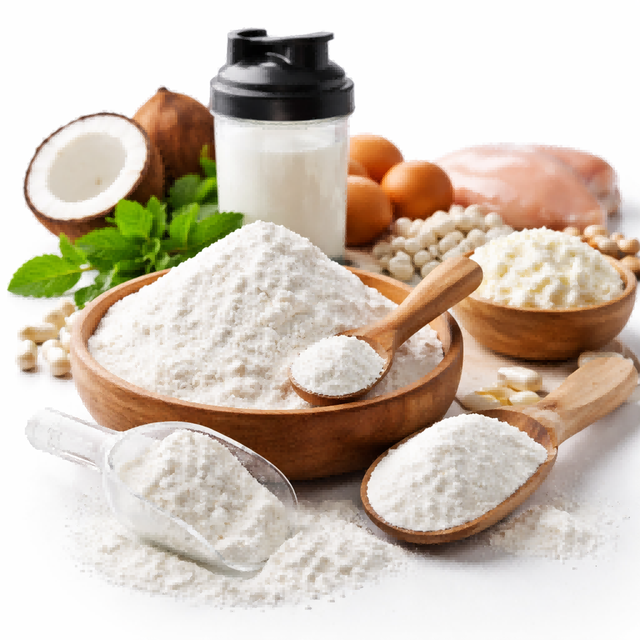
● Powder:
○ The most versatile option, as it allows precise dosage adjustment based on individual needs. It can be easily mixed into drinks or shakes.
○ Advantage: Customizable intake and quick absorption. Ideal for those who need higher doses.
● Capsules:
○ Convenient for on-the-go consumption. Capsules are simple to take without needing mixing or preparation.
○ Advantage: Portability and ease of use.
● Liquids:
○ Absorbed quickly by the body due to their liquid form. This makes them an excellent choice for fast post-workout recovery.
○ Advantage: Fast absorption and easy digestion.
NutriHerb offers a variety of amino acid products, including customized amino acid formulations, tailored to meet the specific needs of athletes, elderly, and others seeking health benefits. These formulations ensure you get the best amino acid support for your recovery and overall well-being.
Amino acids are essential components that can be found in a wide range of foods. By consuming a variety of protein-rich foods, you can meet your body's amino acid requirements. Here are some key sources:
● Animal Proteins: Animal-based products like beef, poultry, fish, eggs, and dairy are considered complete proteins, meaning they contain all nine essential amino acids. These are the most bioavailable sources of amino acids, meaning your body can absorb and use them most efficiently.
● Plant-Based Proteins: For those following vegetarian or vegan diets, plant-based sources like quinoa, soy, lentils, and chickpeas provide a good variety of amino acids, though they may not always be complete proteins. Combining different plant sources can ensure that you receive all nine essential amino acids.
Protein Source | Type | Amino Acids Provided | Examples |
Animal-Based | Complete | All essential amino acids | Beef, Chicken, Eggs, Fish, Dairy |
Plant-Based | Incomplete | Some essential amino acids | Quinoa, Soy, Lentils, Chickpeas |
A balanced diet rich in these foods ensures that you get all the essential amino acids your body needs to function at its best. Nanjing NutriHerb BioTech Co., Ltd. further contributes to this by supplying high-quality plant-based amino acid products, making it easier for individuals to meet their amino acid needs, especially in situations where dietary intake might not be sufficient.
While many people can get enough amino acids from their diet, there are certain situations where supplementation might be necessary:
● Athletes and Active Individuals: For athletes or anyone engaging in intense physical activity, the body’s demand for amino acids increases significantly. Amino acid supplements can support muscle recovery, prevent muscle breakdown, and enhance overall performance during training or competition.
● Elderly or Convalescent Individuals: As we age, maintaining muscle mass becomes more difficult. Supplementing with amino acids can help preserve muscle tissue and improve recovery from illness or surgery. Nanjing NutriHerb BioTech Co., Ltd. offers amino acid products designed to support these groups, providing high-quality supplements that enhance muscle health and promote faster recovery.
● Special Health Goals: Individuals with specific health goals, such as weight management or improving metabolic health, may benefit from amino acid supplements to support their body’s processes. Amino acids can help boost metabolism, support fat loss, and improve energy levels.
When considering amino acid supplements, NutriHerb provides tailored solutions, offering products specifically formulated to meet the needs of athletes, elderly individuals, and those with specialized health goals.
In this article, we explored how Amino Acids differ from carbohydrates in both structure and function. You learned how amino acids are essential for protein synthesis, muscle repair, and overall body function. Nanjing NutriHerb BioTech Co., Ltd. provides high-quality amino acid products designed to support your health, particularly for athletes and those looking to optimize recovery.
A: Amino acids are organic compounds that are the building blocks of proteins, essential for muscle growth, repair, and various bodily functions.
A: No, amino acids and carbohydrates are distinct molecules. Amino acids are involved in protein synthesis, while carbohydrates provide energy for the body.
A: Amino acids are found in animal proteins like beef, poultry, and dairy, as well as plant-based sources like quinoa and soy.
A: Athletes may need amino acid supplements to enhance muscle recovery, reduce breakdown, and support overall performance during intense workouts.
A: No, amino acids cannot be converted into carbohydrates. They are primarily used to build proteins, not to provide energy like carbohydrates.